Currently Empty: ₹0.00


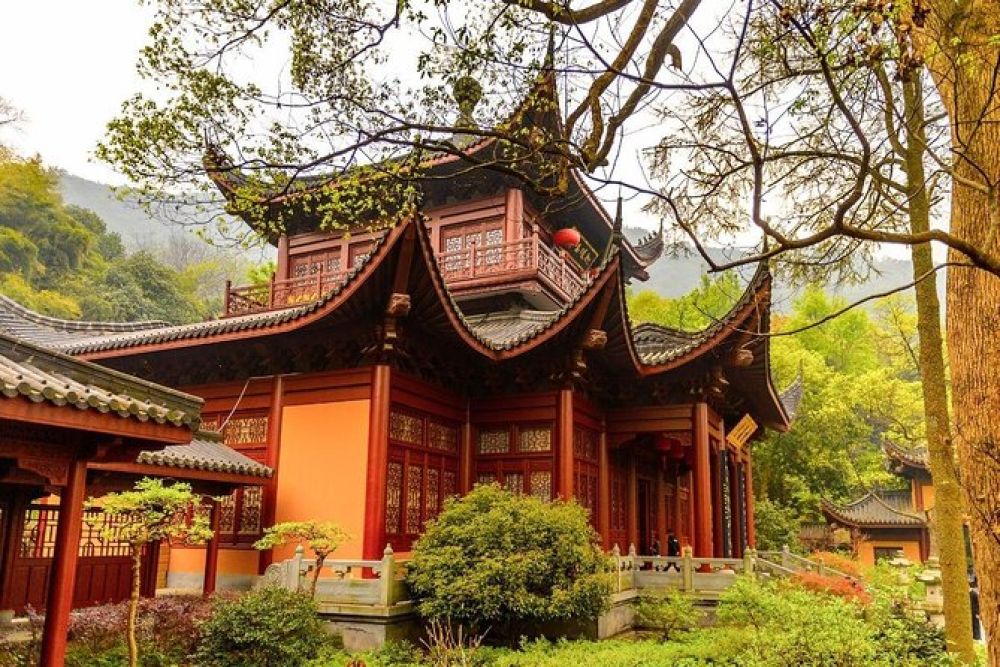
Lingyin Temple — Hangzhou, Zhejiang, China
Lingyin Temple, located in the scenic city of Hangzhou in Zhejiang, China, is one of the most prominent and ancient Buddhist temples in the country. With its rich history, stunning architecture, and serene surroundings, it attracts millions of visitors from around the world each year.
Timing to Visit Lingyin Temple
Lingyin Temple is open to visitors year-round, though the best time to visit is during the spring and autumn months, when the weather is mild and the landscape is especially beautiful. The temple is typically open from 7:00 AM to 5:30 PM daily.
Address
Lingyin Temple
No.1 Lingyin Road, West Lake,
Hangzhou, Zhejiang Province, China
Why We Visit Lingyin Temple
Lingyin Temple is more than just a place of worship; it is a spiritual retreat offering peace and tranquility amidst the hustle and bustle of the modern world. The temple is dedicated to the Buddha of the Pure Land, and its stunning location in the foothills of the Feilai Feng Mountains, surrounded by lush forests and peaceful streams, provides a perfect atmosphere for meditation and contemplation.
Aside from its spiritual significance, the temple’s impressive architecture, intricate carvings, and sculptures offer visitors a glimpse into China’s ancient Buddhist traditions. The temple also boasts of various historical and cultural relics, including the famous Thousand Buddha Hall, which houses numerous stone carvings of Buddha, and the majestic Flying Peak, with its ancient inscriptions and carvings that date back over a thousand years.
Visiting Lingyin Temple provides not only a spiritual journey but also an opportunity to connect with nature and appreciate the history and culture of China. Whether you are a Buddhist pilgrim or a cultural enthusiast, Lingyin Temple offers a unique and enriching experience.
The Story of Lingyin Temple
Lingyin Temple, also known as the Temple of the Soul’s Retreat, was originally established in the year 328 AD during the Eastern Jin Dynasty. According to historical records, the temple was built by the Indian monk Hui Li, who sought to bring Buddhism to China. Legend has it that Hui Li chose this specific site because it resembled a place of tranquility, ideal for meditation and enlightenment.
The temple has undergone several reconstructions and renovations over the centuries, with its most recent one occurring during the Tang Dynasty (618–907 AD). Throughout its history, Lingyin Temple has survived wars, fires, and natural disasters, yet it has remained a symbol of Buddhist spirituality and a center of devotion. It is renowned for its historical significance as well as its vibrant Buddhist culture, with the temple being a popular destination for pilgrims who come to pay respects, meditate, and seek spiritual guidance.
The name “Lingyin” translates to “Soul’s Retreat,” which reflects the temple’s purpose as a place of inner peace, away from the distractions of the world. Today, Lingyin Temple stands as an important landmark not only for Buddhists but also for anyone looking to experience the serenity and beauty of ancient Chinese religious practices.
Contact Us
For more information on Lingyin Temple, or if you wish to book a consultation with an astrologer, visit us at:
- Website: www.indianvedicastrologer.com
- Email: info@indianvedicastrologer.com